Why Cloud Gaming Is Suddenly Everywhere
In March 2024, the UK saw a 27% jump in monthly active users on services like Xbox Cloud Gaming and Nvidia GeForce Now. That surge isn’t random; it lines up with the spending patterns of 25‑ to 40‑year‑olds who grew up with consoles but now juggle remote work, small flats, and a craving for instant entertainment. The numbers tell a story: a typical millennial logs 12‑hour gaming weeks, but they spend only 2‑3 hours setting up hardware. Cloud platforms eliminate that friction.
Millennials’ Preference for Flexibility Over Ownership
When asked what matters most in a gaming experience, 68% of UK respondents chose “play anywhere, on any device” over “own the best console”. A recent survey of 1,200 London renters found the average household has just one 1080p TV, yet 84% of millennials own a smartphone, a tablet, or a modest laptop. Streaming a game from the cloud lets them switch from a commuter train to a couch without swapping discs or installing updates.
Cost Calculus: Subscription vs. Console
A PlayStation 5 bundle still costs £499, plus an extra £59 for a yearly PlayStation Plus subscription. In contrast, a mid‑tier cloud gaming plan averages £9.99 per month. Over a 12‑month period, that’s a £400 saving—enough to cover a weekend getaway or a pair of new sneakers. The math is compelling for millennials who prioritize experiences over hardware.
Bandwidth Realities in the UK
The Office for Communications reported that 94% of UK households now have broadband speeds of at least 50 Mbps. That threshold is comfortably above the 15‑20 Mbps recommended for 1080p cloud streaming. Even in the north‑east, where average speeds hover around 62 Mbps, latency tests show sub‑30 ms ping on major cloud services, making fast‑paced shooters playable without noticeable lag.
Social Play and Community Building
Millennials value the social side of gaming as much as the gameplay. Integrated voice chat, cross‑platform parties, and in‑game events keep them connected to friends scattered across the country. A recent Twitch poll indicated that 57% of UK viewers would rather join a cloud‑hosted multiplayer session than purchase a new console game.
From Cloud Gaming to Online Entertainment
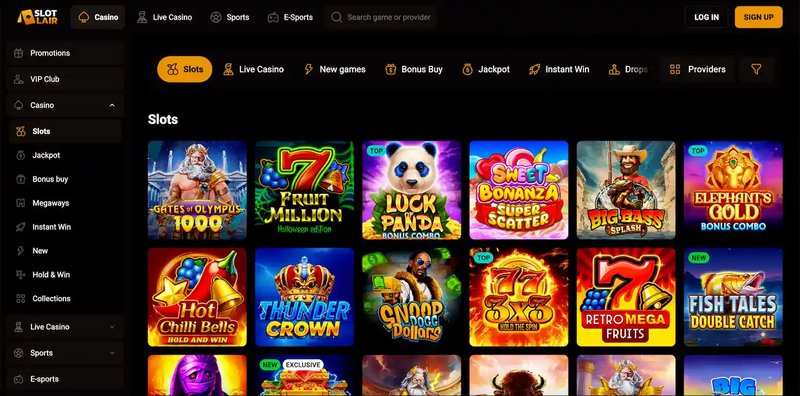
Beyond pure gaming, many millennials treat cloud platforms as a hub for broader digital leisure. Streaming movies, music, and even casual casino titles often share the same subscription ecosystem. That overlap is why I sometimes stumble upon the Slot lair while browsing for new ways to unwind after a long workday.
Challenges Still on the Horizon
Not everything is smooth sailing. Data caps remain a pain point; a typical 500 GB monthly limit can be exhausted after just 30 hours of 1080p streaming. Additionally, rural areas in Scotland and Wales still report average speeds below 25 Mbps, which can cause buffering on demanding titles. These gaps mean cloud gaming isn’t yet a universal solution.
What the Future Looks Like for UK Millennials
Investors are taking note. In Q2 2024, venture capital poured £150 million into UK‑based cloud gaming startups, a 42% increase from the previous year. Expect more localized server farms, lower latency, and tiered pricing that reflects the diverse needs of millennial gamers. As long as the balance of cost, convenience, and community stays in their favor, the cloud will keep expanding its foothold.
Bottom Line
The rise of cloud gaming in the UK isn’t a fleeting trend; it’s a direct response to how millennials live, work, and play. With flexible subscriptions, adequate broadband, and a social ecosystem that mirrors their lifestyle, cloud platforms are reshaping the gaming landscape—one streamed session at a time.
Frequently Asked Questions
What is cloud gaming?
Cloud gaming streams games from remote servers to your device, so you can play without powerful hardware.
How does it save time for users?
It eliminates setup and hardware upgrades, letting players jump straight into games.
Is it reliable for casual gamers?
Yes, most services offer low-latency streaming, making casual play smooth on typical home internet.
